July 9, 2026
Real Talk with Hurley:
Genetic Counseling
You’ve got questions about genetic testing, and we’ve got the expert to answer them.
Whether you’re wondering who should get tested, what it costs, or what a positive result really means — Jackie Smiley, Nurse Practitioner at Hurley Medical Center, sits down for an honest conversation about how genetic testing can help you and your family get ahead of hereditary cancer.
No scripts. No sales pitch. Just real answers to real questions.
Ready to learn your genetic risk?
Jackie Smiley and the Hurley Health Services team can help you understand your hereditary cancer risk and build a plan to stay ahead of it — for you and your family. Accepting new patients, in-person and by telemedicine. No referral needed.
Watch the Full Episode

Questions & Answers
Jump to a topic, or scroll through them all below.
Who Should Get Tested
Q1 Who should consider genetic testing?

Genetic testing looks for hereditary cancer genes, and it's most valuable for cancer survivors and their family members. Jackie explains the guidelines that typically qualify someone — such as breast, colon, or uterine cancer diagnosed at age 50 or younger, male breast cancer, pancreatic or ovarian cancer, or metastatic prostate cancer. If you or a close relative fits one of these patterns, you or your family members may be candidates for testing.
Q2 Does family history matter?

It's less about age alone and more about who in the family had cancer and how young they were. A grandmother who developed breast cancer in her 80s is far less concerning than two or three relatives on the same side of the family with breast cancer, which raises the question of an inherited gene mutation. Jackie explains how she weighs these family patterns to decide whether testing makes sense.
Cost & Insurance
Q3 Is genetic testing covered by insurance?

Cost is the number-one reason people skip testing, but it's far more affordable than it used to be — as low as $249 with no insurance. Most insurance plans cover it if you meet the testing guidelines, and patient-assistance programs offer sliding-scale pricing, often $100 or less, for those who don't. Jackie's team helps patients find a way to get testing paid for.
The Testing Process
Q4 What does the testing process look like?

No referral is needed — patients just call and ask for a genetic testing appointment. At the visit, Jackie takes a detailed three-generation family history and draws a pedigree, then orders the test, which is simply two tubes of blood or a saliva sample. Results take about a month, after which patients come back in to review what was found.
Understanding Your Results
Q5 What can the results tell you?

Jackie runs a large multi-gene panel because many people don't know their full family history, so she screens for the most common cancer genes at once. Results come back negative, positive, or as a "variant of unknown significance." A positive result opens the door to prevention — risk-reducing surgery, medication, or earlier and more frequent screening — and often qualifies family members for free testing within a set window, such as 90 days.
Q6 Are you tested for more than one cancer gene?

Yes — even when the family concern is breast cancer, the panel screens for many cancer genes at once. Jackie clarifies that a positive result signals a genetic risk, not a certainty of cancer; some genes carry a 60–80% lifetime risk, which lets patients choose prevention or surveillance. Catching this early can change the trajectory for an entire family — and technologies like pre-implantation genetics can even keep a mutation from passing to the next generation.
Q7 What happens after a positive result?

Every gene mutation has its own follow-up plan. Jackie walks patients through the guidelines and next steps, sends the information to their physician, and helps coordinate referrals to any specialists they need. She often sees patients once a year to make sure they've completed recommended screenings and shared the information with their family.
Prevention & The Future
Q8 Will genetic testing become routine?

Jackie expects genetic testing to eventually become routine — potentially covered by insurance for everyone, regardless of family history — because the benefits are showing up even in patients and families without an obvious cancer history. Some people with little family cancer history still carry mutations, which is why broader testing may help more people than expected.
Q9 How will genetic testing evolve in the next 10 years?

The field has moved from two-gene tests to 81-gene panels over Jackie's career, and she expects testing to become far more accessible. The biggest need ahead is better clinical guidelines — for some genes that test positive today, there isn't yet clear guidance on what a patient should do. As more people test, that knowledge base will keep growing.
Getting Started
Q10 How do patients get in touch?

Patients can call 810-262-6743 and ask for a genetic testing appointment — no referral required. Jackie asks that you bring as much information as possible about why you're coming, such as a relative's known mutation or your own prior results, so the visit goes smoothly.
Ready to learn your genetic risk?
Jackie Smiley and the Hurley Health Services team can help you understand your hereditary cancer risk and build a plan to stay ahead of it — for you and your family. Accepting new patients, in-person and by telemedicine. No referral needed.
Featured Guest
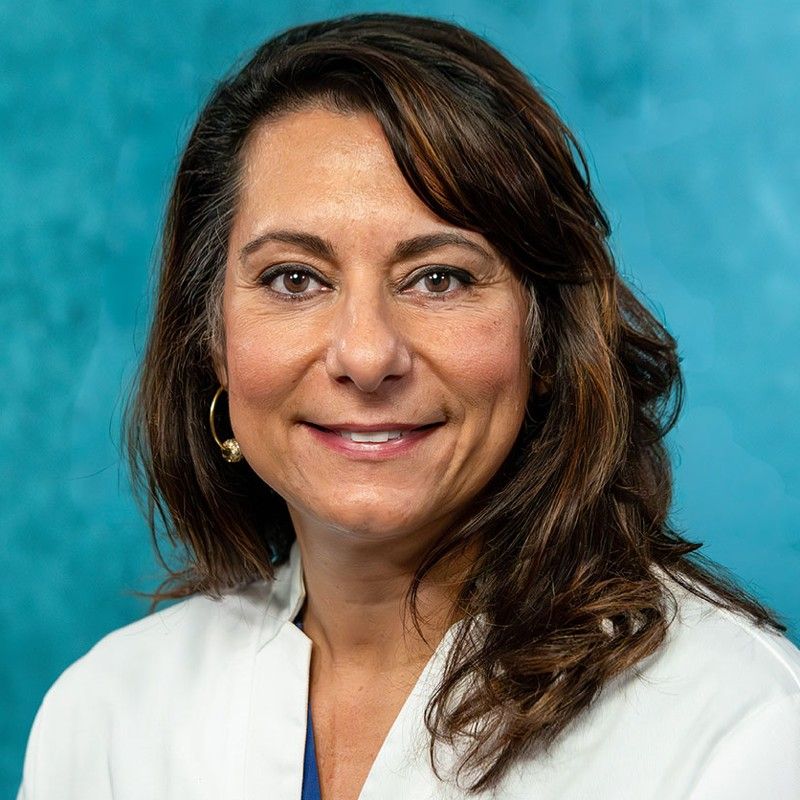
- Nurse Practitioner, Hurley Medical Center
Your Host

- Host, Real Talk with Hurley
Lisa Marie is Hurley's Digital & Grassroots Marketing Coordinator and a former mid-Michigan radio personality.